
What They Won't Tell You About Bangalore Farmland Investment
The Truth About Farmland Investment Near Bangalore
Every week, dozens of investors—both NRIs and local residents—reach out asking about farmland investment near Bangalore. They've heard the success stories, seen the glossy brochures, and attended presentations promising 20-30% annual returns. But here's what most developers won't tell you: not all farmland investments are created equal, and the difference between a smart investment and an expensive mistake often lies in the details they conveniently skip.
At Groavy, we believe in radical transparency. After helping hundreds of families invest in managed farmland, we've seen what works, what doesn't, and what questions investors should have asked before signing on the dotted line. This isn't a sales pitch—it's an honest conversation about the realities of farmland investment in Bangalore's peripheral regions. Whether you eventually invest with us or someone else, you deserve to know the complete truth.
Reality #1: "Guaranteed Returns" Don't Exist in Farmland Investment
What They Say: "Get guaranteed returns of 15-20% annually from agricultural income plus land appreciation!"
The Reality: No legitimate farmland investment can guarantee fixed returns. Agriculture depends on weather, market prices, crop selection, and farming expertise. Anyone promising guaranteed returns is either running a rental scheme (which has legal complications) or making claims they can't legally back up.
What You Should Know: Land appreciation near Bangalore has historically ranged from 8-18% annually in well-located areas, depending on infrastructure development. Agricultural income, if any, is a bonus—not a guarantee. Smart investors buy farmland primarily for long-term land appreciation and personal use, not for short-term income generation.
- Red Flag: Promises of "assured returns" or "buyback guarantees" after 3-5 years.
- Green Flag: Transparent discussion about historical appreciation rates in the region with data backing.
- Smart Approach: Invest for land value appreciation over 5-10 years, not monthly income.
Reality #2: Location Matters More Than Amenities
What They Say: "We have a clubhouse, swimming pool, organic farming setup, and 24/7 security—best amenities in the market!"
The Reality: Fancy amenities mean nothing if your farmland is 3 hours from Bangalore with no highway connectivity. A swimming pool won't increase your land value if there's no real infrastructure development happening in the region. Location, highway access, and genuine growth corridors determine appreciation—not the number of features listed in the brochure.
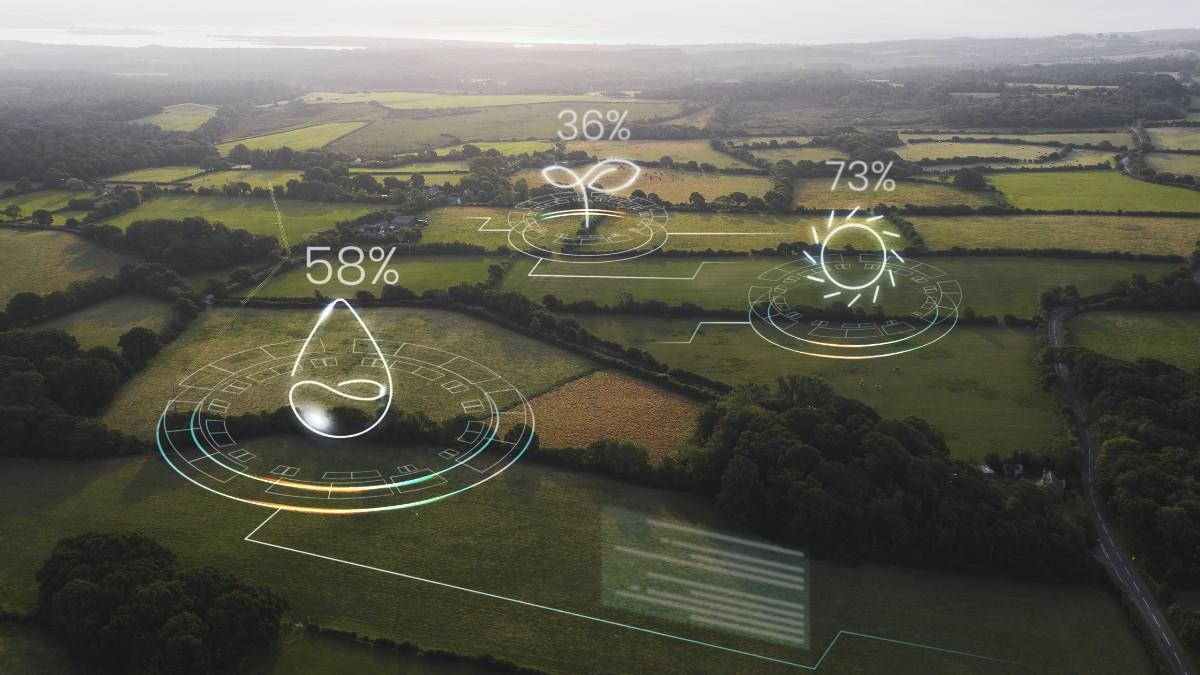
What You Should Know: Focus on farmland located near major highways (NH-44, NH-75), within 60-90 minutes of Bangalore airport or city center, and in areas with confirmed infrastructure projects like STRR (Satellite Town Ring Road). A basic plot in Chikkaballapur near NH-44 will appreciate faster than a luxury farm project in a remote village with no connectivity.
- Red Flag: Heavy marketing on amenities but vague about exact location and distance from Bangalore.
- Green Flag: Clear location details with Google Maps coordinates and driving time from key landmarks.
- Smart Approach: Visit the site personally or via virtual tour to verify accessibility and surroundings.
Reality #3: Not All "Managed Farmland" Is Actually Managed
What They Say: "We provide complete farm management services—you don't have to do anything!"
The Reality: Many developers advertise "managed farmland" but provide minimal actual management. Some charge hefty annual maintenance fees but only visit properties occasionally. Others promise organic farming but plant random crops without proper planning. True farm management requires dedicated agricultural teams, irrigation systems, soil management, and regular monitoring—which many projects simply don't have.
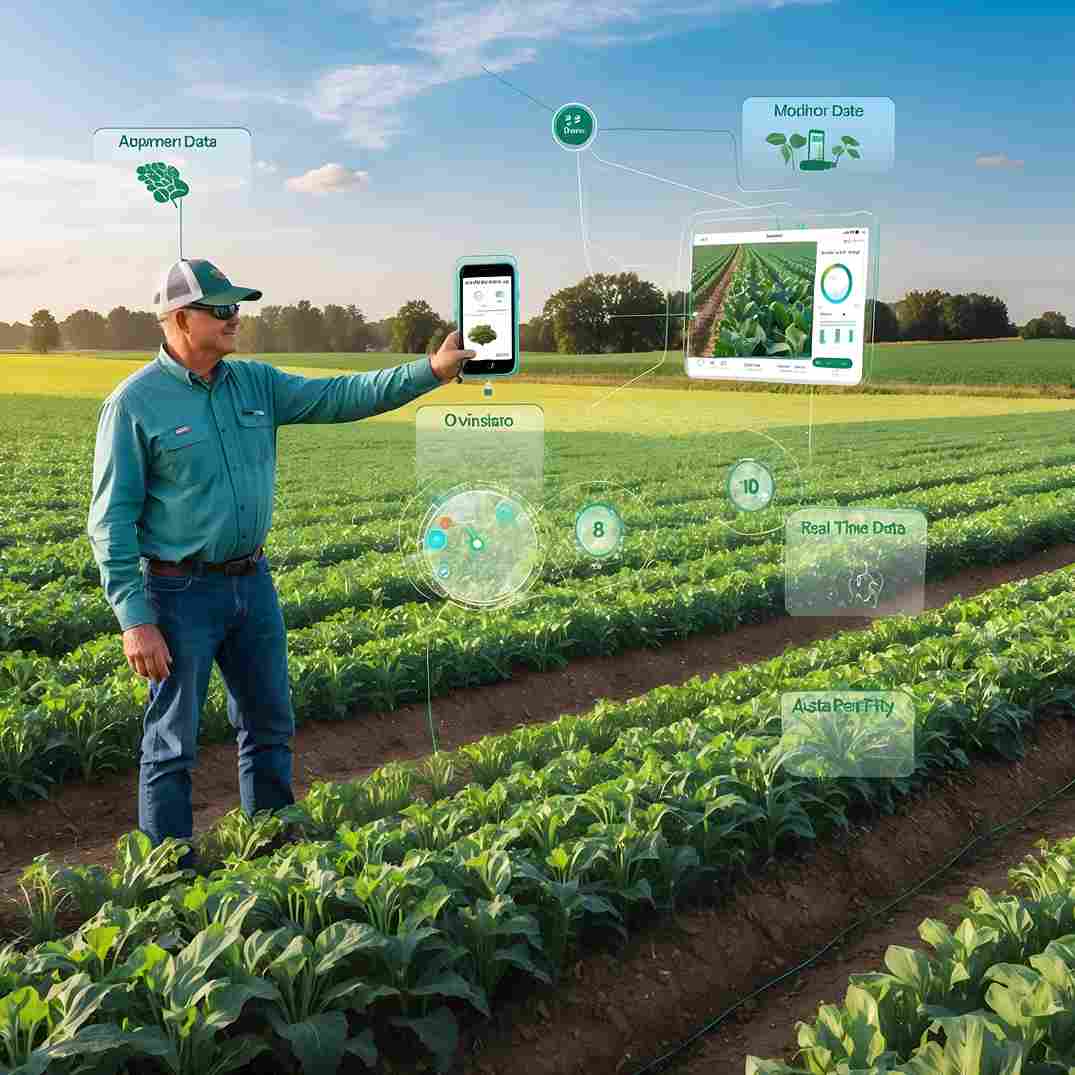
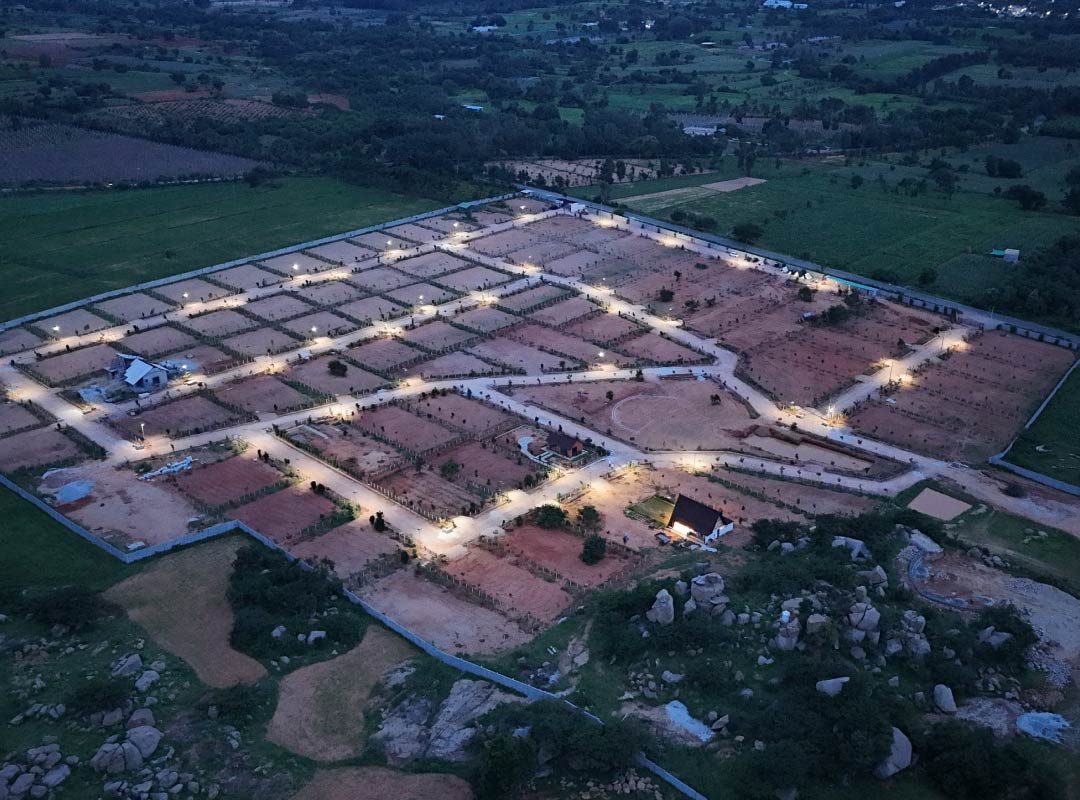
What You Should Know: Ask specific questions about farm management: Who handles day-to-day operations? What's included in maintenance fees? Can you see the current state of existing plots? Request to speak with current landowners about their experience. A genuinely managed farmland project will have visible proof—maintained plots, thriving vegetation, and satisfied existing customers.
- Red Flag: Vague promises about management without showing existing maintained plots or farm infrastructure.
- Green Flag: Existing plots show active cultivation, clear maintenance schedules, and transparent cost breakdown.
- Smart Approach: Visit completed projects, speak to existing owners, and review maintenance agreements carefully.
Reality #4: Hidden Costs Can Double Your Total Investment
What They Say: "All-inclusive price of ₹25 lakhs per acre—nothing extra to pay!"
The Reality: That advertised price rarely includes registration charges (7-8% of property value), GST (where applicable), legal fees, survey charges, soil testing, boundary demarcation costs, and annual maintenance fees. Some developers also charge separately for basic infrastructure like electricity connection, water bore, or drip irrigation setup—things you assumed were "included."
What You Should Know: Always ask for a complete cost breakdown before booking. A transparent developer will provide detailed estimates including registration, stamp duty, maintenance fees for the first year, and any other charges. Budget an additional 12-15% above the quoted land price for registration and miscellaneous expenses. Also clarify what's included in annual maintenance and what costs extra.
- Red Flag: Refusing to provide written cost breakdown or adding surprise charges at registration time.
- Green Flag: Detailed cost sheet provided upfront with all charges itemized and explained.
- Smart Approach: Get everything in writing and factor hidden costs into your budget planning.
Reality #5: Legal Documentation Is Where Most Problems Hide
What They Say: "All legal documents are clear—we'll handle everything!"
The Reality: This is where many farmland investments go terribly wrong. Some developers sell land with disputed titles, incomplete land conversion paperwork, or unclear ownership chains. Others market agricultural land as "future residential" when no conversion approval exists. By the time buyers discover these issues (often during resale attempts), the developer may be unreachable or unresponsive.
What You Should Know: Never skip independent legal verification. Hire your own lawyer (not the developer's recommended one) to verify title deeds, encumbrance certificates, revenue records, and land conversion status. For NRIs, ensure complete FEMA compliance documentation. A legitimate developer will welcome independent verification and provide all documents for your lawyer's review before booking.
- Red Flag: Rushing you to book without allowing time for legal due diligence or independent verification.
- Green Flag: Provides complete documentation package and encourages independent legal review before booking.
- Smart Approach: Budget ₹25,000-50,000 for independent legal verification—it's worth every rupee.
Reality #6: Developer Track Record Matters More Than Promises
What They Say: "We're the fastest-growing farmland developer in Karnataka—join hundreds of happy investors!"
The Reality: Many farmland developers are fly-by-night operators with no long-term presence in the industry. They launch projects, collect money, provide minimal development, and disappear when problems arise. Some operate multiple companies under different names to avoid accountability. Without a proven track record of completed projects and satisfied customers, you're taking an enormous risk with your hard-earned money.
What You Should Know: Research the developer extensively before investing. How long have they been in business? Can you visit their completed projects? Are existing customers willing to share their experience? Check online reviews, but also speak directly with current landowners. A reputable developer will have verifiable references, completed projects you can visit, and a physical office (not just a PO box or virtual address).
- Red Flag: New company with no completed projects, reluctant to provide customer references, or operating from temporary locations.
- Green Flag: Established presence (3+ years), multiple completed projects, verifiable customer testimonials.
- Smart Approach: Visit at least one completed project and speak with 3-4 existing customers before deciding.
Reality #7: Resale Liquidity Is Lower Than Residential Property
What They Say: "Your farmland will be easy to sell anytime—we have a waiting list of buyers!"
The Reality: Farmland is a long-term investment with lower liquidity than residential properties. If you need to sell within 2-3 years, you may struggle to find buyers at your desired price— especially if infrastructure development is slower than projected. The "waiting list of buyers" often disappears when you actually try to sell. Some developers offer buyback guarantees that come with numerous conditions and significantly lower prices.
What You Should Know: Plan for a minimum 5-7 year holding period to realize meaningful appreciation. Don't invest money you might need liquid in the short term. Farmland is excellent for retirement planning, legacy building, or diversification—but it's not a quick-flip investment. The best appreciation comes from patience and choosing locations near confirmed infrastructure development.
- Red Flag: Developers marketing farmland as a "liquid asset" or guaranteeing quick resale at profit.
- Green Flag: Honest discussion about investment horizon and realistic appreciation timelines.
- Smart Approach: Invest with a 7-10 year perspective and treat it as part of your long-term wealth portfolio.
Reality #8: Water Availability Is Critical (And Often Overstated)
What They Say: "Abundant groundwater with multiple borewells—water is never a problem here!"
The Reality: Water scarcity is a genuine concern in many areas around Bangalore. Some developers drill borewells for show properties but actual water availability varies significantly across individual plots. Others promise "shared borewells" that become sources of disputes. Without proper water testing reports and geological surveys, you might own land that struggles with water access during summer months.
What You Should Know: Ask for water table data and geological reports for the specific area. Check the depth of existing borewells and water quality test results. Visit during summer (March- May) to see actual water conditions, not just during monsoon. Confirm whether water infrastructure (borewells, storage tanks, drip irrigation) is included in your plot or requires additional investment. Areas near perennial water sources or with higher groundwater tables are worth the premium.
- Red Flag: No water testing reports, vague claims about water availability, or no mention of dry season conditions.
- Green Flag: Geological surveys, water test reports, and clear documentation of water infrastructure.
- Smart Approach: Independent water testing and verification of groundwater levels before finalizing purchase.
Reality #9: Construction Approvals Are Complicated (If Possible at All)
What They Say: "Build your dream farmhouse anytime— we'll help with all approvals!"
The Reality: Construction on agricultural land has specific legal restrictions. Unless the land is converted to non- agricultural use (a lengthy process requiring multiple approvals), you can only construct farm-related structures with size limitations. Some areas fall under Gram Panchayat jurisdiction where building approvals are easier, while others require extensive paperwork. Many developers gloss over these complexities, leaving buyers confused when they actually try to build.
What You Should Know: Clarify the exact construction possibilities before buying. Is the land agricultural or converted? What type of structures can legally be built? What's the approval process and timeline? Does the location fall under Gram Panchayat or municipal jurisdiction? If building a retirement farmhouse is your goal, ensure the land classification and location support your plans— preferably with documented evidence of similar constructions in the project.
- Red Flag: Vague promises about construction without clarifying land status, restrictions, or approval processes.
- Green Flag: Clear documentation of land classification, construction guidelines, and existing built structures in the project.
- Smart Approach: Consult an architect familiar with rural construction norms before assuming you can build freely.
Reality #10: Infrastructure Development Timelines Are Uncertain
What They Say: "With the upcoming STRR project and new airport expansion, land prices will double in 2 years!"
The Reality: Infrastructure projects in India are notorious for delays. The Satellite Town Ring Road (STRR), airport expansions, and highway projects often take years longer than initially announced. While these developments do eventually drive appreciation, the timeline is unpredictable. Banking on infrastructure-led growth requires patience—sometimes 5-10 years instead of the promised 2-3 years.
What You Should Know: Verify the status of claimed infrastructure projects through government websites and official announcements—not just developer marketing materials. Understand that "announced" doesn't mean "funded," and "under construction" often means "facing delays." Choose locations that already have good baseline connectivity (existing highways, proximity to established towns) rather than betting entirely on future infrastructure. Projects announced by government are more reliable than speculative developments.
- Red Flag: Marketing based entirely on "upcoming" projects without current connectivity or infrastructure.
- Green Flag: Good existing connectivity plus documented government infrastructure plans as a bonus.
- Smart Approach: Invest in locations valuable today, with infrastructure development as upside—not the core thesis.
The Groavy Difference: Why We Share These Realities
You might wonder why we're being so candid about the challenges and realities of farmland investment near Bangalore. Simple answer: because long-term relationships are built on trust, not temporary sales. We'd rather have informed investors who understand exactly what they're getting than disappointed customers who feel misled later.
At Groavy, we address every reality discussed in this article through transparent practices, verified documentation, and honest communication. Our projects in Chikkaballapur are located along NH-44 with proven connectivity, we provide complete legal verification reports, we show existing maintained plots to prospects, and we never promise guaranteed returns or unrealistic appreciation timelines.
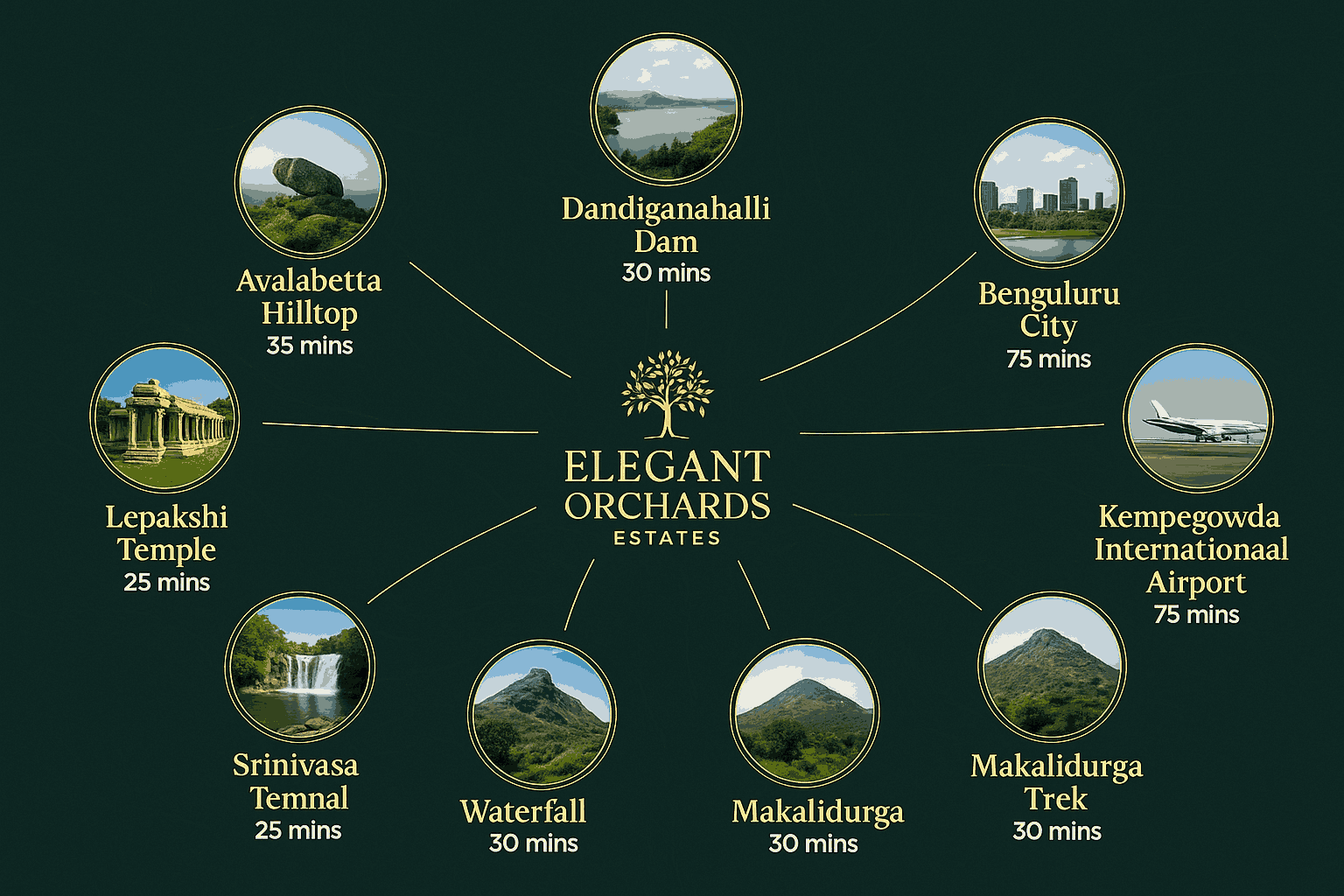
- Transparent Documentation: Complete legal verification reports provided before booking, encouraged independent verification.
- Proven Location: NH-44 connectivity, 60-90 minutes from Bangalore airport, verified infrastructure development.
- Active Management: Existing maintained plots visible to prospects, dedicated agricultural team, transparent maintenance costs.
- Clear Cost Breakdown: All charges itemized upfront, no surprise fees at registration.
- Established Track Record: Completed projects, verifiable customer references, physical office presence.
Questions Smart Investors Ask Before Buying Farmland
Based on our experience with hundreds of successful farmland investors, here are the critical questions you should ask any developer before making your investment decision. A trustworthy developer will answer these comprehensively without hesitation.
Legal & Documentation:
- Can I hire an independent lawyer to verify all documents before booking?
- What's the complete chain of title for this land, and can I see all previous sale deeds?
- Is this land agricultural, converted, or under conversion? Provide documentation.
- For NRIs: Is this purchase FEMA-compliant? What documentation is required?
- Are there any pending disputes, encumbrances, or legal issues with this property?
Location & Connectivity:
- What's the exact Google Maps location, and can I visit independently?
- How far is it from Bangalore airport/city center by car during normal traffic?
- Which government infrastructure projects are confirmed (not just announced) in this area?
- What's the current state of roads and access during monsoon season?
- Are there established towns, hospitals, or markets nearby?
Financial Transparency:
- What's the all-inclusive cost including registration, stamp duty, and first-year maintenance?
- What exactly is included in annual maintenance fees, and what costs extra?
- What happens if I miss maintenance fee payments?
- What are the typical resale timelines and prices for plots in your completed projects?
- Do you offer any buyback or guaranteed return schemes? (Be suspicious if yes)
Farm Management:
- Can I visit your currently maintained plots to see actual farm management quality?
- Who specifically handles day-to-day farm operations—your team or contractors?
- What crops are grown, and what's the maintenance schedule?
- How do you communicate updates to landowners, especially NRIs?
- What happens if I want to stop farm management services?
Water & Infrastructure:
- Can you provide water table data and geological survey reports?
- What's the borewell depth and water quality in existing plots?
- Is drip irrigation included, or is it an additional cost?
- What's the electricity connection status and costs?
- How is the water situation during peak summer months?
Construction Possibilities:
- What type of structures can legally be built on this land?
- What's the approval process and timeline for farmhouse construction?
- Can you show me similar constructions in your existing projects?
- Does the land fall under Gram Panchayat or municipal jurisdiction?
- What are the size limitations for farm buildings?
Developer Credibility:
- How long has your company been in the farmland business?
- Can I visit your completed projects and speak with existing customers?
- Can you provide 5+ customer references I can contact independently?
- What's your company's registered address and office location?
- Do you have any pending legal disputes or complaints against your projects?
When Farmland Investment Makes Sense (And When It Doesn't)
After reading all these realities, you might wonder: should you even invest in farmland near Bangalore? The answer depends entirely on your goals, timeline, and financial situation. Let's be clear about when farmland investment is smart—and when it's not right for you.
Farmland Investment Makes Sense If You:
- Have a 7-10 year investment horizon and don't need the money liquid in short term
- Want a tangible asset that you can visit, enjoy, and eventually build on
- Are looking for retirement planning or a vacation property in nature
- Want to diversify beyond stocks, bonds, and traditional real estate
- Value peace, wellness, and connection to nature alongside financial returns
- Are NRI looking for a legacy asset in India without management hassles
- Understand and accept that appreciation takes time and isn't guaranteed
- Can afford to invest without compromising your emergency funds or primary financial goals
Farmland Investment Is NOT Right If You:
- Need regular monthly income or quick returns (less than 5 years)
- Are investing money you might need for emergencies or major expenses
- Expect to flip the property quickly for profit
- Want guaranteed returns or fixed income from your investment
- Cannot afford to lose any portion of your investment
- Have no interest in visiting or using the property personally
- Are uncomfortable with the lower liquidity compared to stocks or bonds
- Haven't fully funded your retirement accounts, emergency savings, or insurance needs
How to Verify Everything: Your Due Diligence Checklist
Knowledge is only powerful when combined with action. Here's your step-by-step due diligence checklist to verify everything before investing in farmland near Bangalore. Don't skip steps—each one protects your investment and peace of mind.
Step 1: Physical Site Visit
- Visit the site personally (or arrange trusted representative for NRIs)
- Check actual connectivity—drive from Bangalore during both peak and off-peak hours
- Walk the entire property boundary, verify plot dimensions with measuring tape
- Visit neighboring plots and speak with existing landowners
- Visit during different seasons if possible (especially summer for water verification)
- Check the condition of roads, security, and common amenities
Step 2: Independent Legal Verification
- Hire your own property lawyer (budget ₹25,000-50,000)
- Obtain and verify 30-year encumbrance certificate
- Check complete title deed chain back to original owner
- Verify land classification (agricultural/non-agricultural) in revenue records
- Confirm no pending litigation or disputes in local courts
- For NRIs: Verify FEMA compliance documentation with RBI guidelines
Step 3: Financial Due Diligence
- Get written cost breakdown of ALL charges before booking
- Compare prices with similar properties in the same area
- Verify registration charges and stamp duty calculations independently
- Review maintenance agreement thoroughly—what's included and what's extra
- Check payment schedule and cancellation policy
- Understand tax implications with a qualified tax consultant
Step 4: Developer Background Check
- Research company registration details, directors, and business history
- Visit at least one completed project from the same developer
- Speak with minimum 3-5 existing customers (request contacts, don't rely only on developer-provided references)
- Check online reviews across multiple platforms (Google, Facebook, real estate forums)
- Verify physical office presence—not just a PO box or virtual address
- Search for any legal disputes or complaints against the developer
Step 5: Infrastructure & Amenities Verification
- Get water testing report and geological survey for your specific plot
- Verify electricity connection status and costs
- Check if drip irrigation, borewells are included or additional cost
- Verify security arrangements—24/7 or limited hours?
- Check maintenance quality of existing common areas and landscaping
- Confirm all promised amenities actually exist and are functional
Step 6: Future Development Verification
- Verify infrastructure projects through government websites, not just developer claims
- Check National Highways Authority of India (NHAI) website for highway projects
- Verify STRR and other ring road projects through Karnataka Road Development Corporation
- Research historical land appreciation in the area through registrar office records
- Don't rely entirely on future infrastructure—ensure current value makes sense
Red Flags That Should Make You Walk Away Immediately
Sometimes the best investment decision is knowing when NOT to invest. Here are absolute red flags that should make you stop the transaction immediately and look elsewhere, no matter how attractive the deal seems.
- Pressure Tactics: "Limited time offer," "Only 2 plots left," "Price increasing tomorrow"—high-pressure sales indicate desperation or manipulation.
- Blocking Independent Verification: Refusing to allow your lawyer to verify documents or discouraging due diligence.
- Unclear Legal Documentation: Vague answers about land title, conversion status, or ownership chain.
- No Completed Projects: New company with no track record or verifiable customer references.
- Guaranteed Returns Promises: Any scheme offering assured returns or buyback guarantees—these are legally problematic.
- Hidden Location: Vague about exact location or preventing independent site visits before booking.
- No Physical Office: Operating from temporary locations, PO boxes, or virtual addresses only.
- Surprise Charges: Adding unexpected fees at registration time or changing terms after booking.
- Poor Customer Reviews: Multiple complaints online about legal issues, poor maintenance, or developer disputes.
- Too Good to Be True Pricing: Significantly cheaper than comparable properties in the area—usually indicates hidden problems.
Making the Right Decision: Is Groavy's Managed Farmland Right for You?
After sharing all these realities—both positive and challenging—you're equipped to make an informed decision about farmland investment. At Groavy, we're not for everyone, and that's okay. We're specifically designed for investors who value transparency, want genuine managed farmland, and are planning for long-term wealth building rather than quick profits.
Our projects in Chikkaballapur along NH-44 address every concern raised in this article. Our flagship project, Elegant Orchards Estate, provides complete legal verification, encourages independent due diligence, shows existing maintained plots, offers transparent pricing, and has a proven track record with satisfied customers you can contact. We're particularly well-suited for NRIs who need hassle-free ownership and professionals looking for retirement planning options.
What Sets Groavy Apart:
- Elegant Orchards Estate - Premium Location: Located in Chikkaballapur along NH-44, just 60-90 minutes from Bangalore airport with excellent connectivity
- Complete Legal Transparency: Every plot at Elegant Orchards comes with comprehensive verification reports; we encourage independent legal review
- Active Farm Management: Professional agricultural teams, visible results in existing plots, regular updates for NRIs
- Transparent Pricing: All-inclusive cost breakdown upfront, no surprise charges, clear maintenance fees
- Established Track Record: Completed projects, satisfied customers willing to share experiences, physical office presence
- Verified Infrastructure: Water testing reports, geological surveys, functioning amenities you can see and verify
- NRI-Friendly Process: FEMA-compliant documentation, virtual consultations, digital signing, power of attorney support
- Realistic Expectations: Honest discussion about timelines, appreciation potential, and investment suitability
Take the Next Step: Start Your Farmland Investment Journey the Right Way
Now that you understand the complete reality of farmland investment near Bangalore—the opportunities, the challenges, and what to watch out for—you're ready to make an informed decision. Whether you're an NRI looking for hassle-free ownership, a professional planning for retirement, or an investor seeking portfolio diversification, the key is choosing the right partner and location.
We invite you to experience the Groavy difference firsthand. Schedule a no-pressure consultation with our team, visit Elegant Orchards Estate in Chikkaballapur, speak with our current landowners, and verify everything we've discussed in this article. We're confident that when you see the transparency, location advantage, and quality of our managed farmland project, you'll understand why hundreds of families have trusted us with their investment.
Don't rush your decision. Take time to ask questions, do your due diligence, and ensure farmland investment aligns with your financial goals and timeline. When you're ready, we'll be here to guide you through every step with complete honesty and professional support.
Contact Groavy Today:
For Site Visits & General Inquiries:
📞 Phone: +91-6366829999
📧 Email: support@groavy.com
📍 Office: 183, 2nd Floor,G Block opposite to Reliance Trends, Sahakara Nagar Main Rd, Byatarayanapura, Bengaluru, Karnataka 560092
For NRI Investors:
Schedule a virtual consultation via video call to discuss your investment goals, view digital site tours, and understand the complete NRI investment process.
Final Thoughts: Invest Wisely, Invest With Eyes Wide Open
Farmland investment near Bangalore can be one of the most rewarding decisions you make—offering financial appreciation, personal enjoyment, legacy building, and a peaceful retreat from urban chaos. But only if you invest wisely, with complete information, and with the right partner.
The realities we've shared in this article aren't meant to discourage you—they're meant to empower you. When you know what to look for, what questions to ask, and what red flags to avoid, you can confidently navigate the farmland market and find investments that truly deliver on their promises.
At Groavy, our mission is simple: helping families build lasting wealth and meaningful connections to the land through transparent, managed farmland investments. We're not interested in one-time transactions—we're building long-term relationships with investors who trust us to protect their interests and deliver on our commitments.
Ready to explore managed farmland investment the right way? Reach out today, and let's start an honest conversation about your goals, Groavy's Elegant Orchards Estate, and whether our farmland near Bangalore is the right fit for your investment journey.