
Breathe Deeper, Live Fuller
There's a kind of breath we forget we're holding. The kind carried through city streets—shoulders tensed, jaw tight, mind racing. It's survival breath, not living breath. Then one day, you step onto living earth, perhaps a farm that now belongs to you, and without warning, your lungs unfold in a way that feels primordial. You exhale not just air, but accumulated stress. In that instant, the land breathes alongside you.
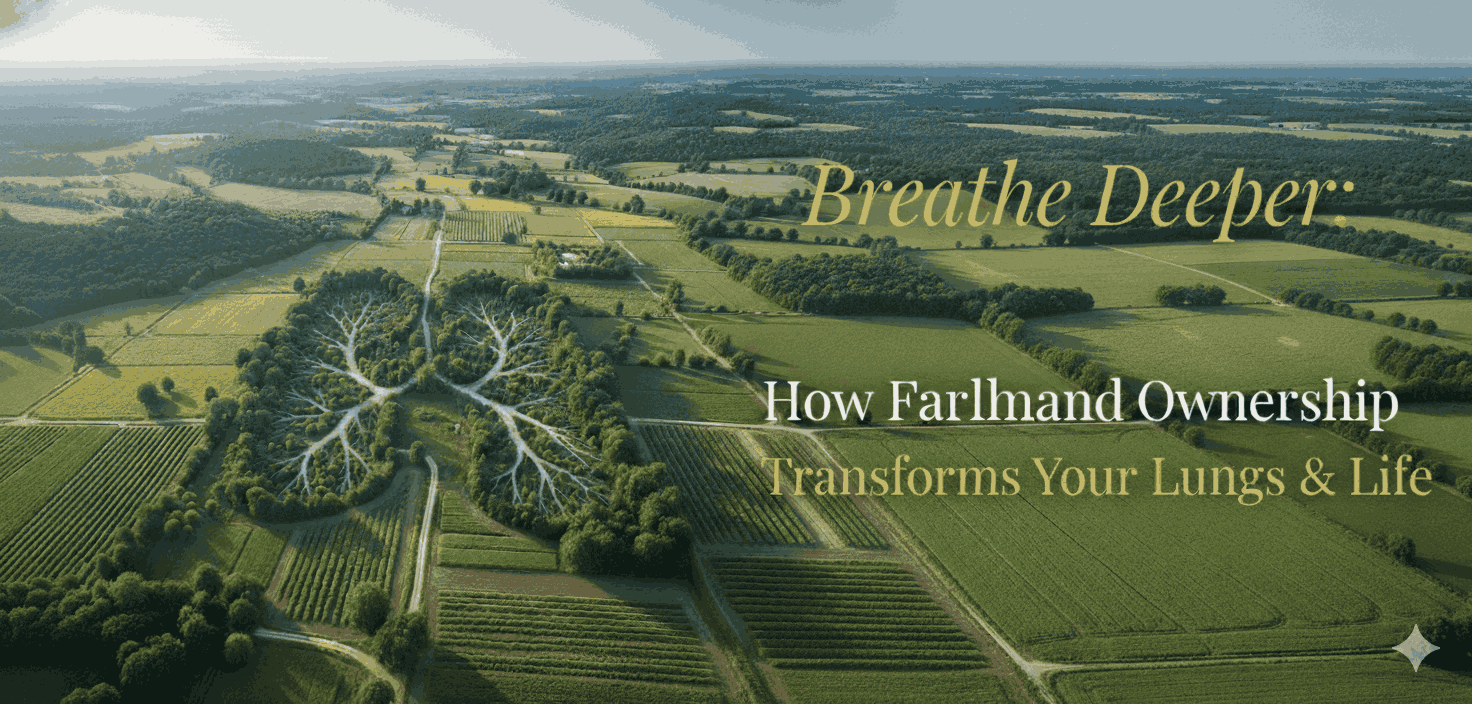
So let's ask with genuine curiosity: Can owning a farm actually help you breathe better? The answer reaches beyond poetry into ecology, physiology, and psychology. When farmland is managed with intention—through biodiversity, regenerative practices, and thoughtful stewardship—it becomes more than an asset. It becomes a living lung. And the air it creates isn't just cleaner; it's medicine. Let's explore how land ownership near Bangalore's northern corridors can reclaim your relationship with breath itself.
Breathing Is Partnership, Not Isolation
We often think of breathing as personal—something happening within our chest, diaphragm, airways. But breathing is fundamentally relational. It's an exchange between you and the living world. Every inhalation accepts oxygen gifted by plants. Every exhalation offers carbon dioxide, the raw material for photosynthesis. This reciprocity is so seamless we rarely acknowledge it. Yet it's the foundation of all terrestrial life.
When the air becomes thick with fine particulates, industrial emissions, and urban heat residue, this partnership breaks down. Nature continues to give; we inadvertently take and pollute. Owning or connecting with a farm shifts this dynamic. It's not just a lifestyle choice or an investment thesis—it's an ecological rebalancing. You begin participating in breath creation, not just breath consumption.
- Real Oxygen Production: Native trees and cover crops actively convert CO₂ into breathable oxygen throughout the day.
- Soil as Filter: Regeneratively managed soil captures carbon, builds microbial diversity, and scrubs airborne toxins.
- Reduced Inflammation: Cleaner air means less respiratory strain, lower systemic inflammation, and better sleep quality.
- Nervous System Calm: Breathing unpolluted air signals safety to your body, lowering cortisol and shifting you out of chronic stress.
Farms as Living Lungs: The Invisible Ecosystem Work
A thoughtfully designed farm functions as a lung for its surroundings. Trees, perennials, and ground cover continuously extract carbon dioxide and release pure oxygen. When soil is managed with regenerative principles—composting, mulching, minimal tillage—it transforms into a living carbon sink and atmospheric filter. Plants are functional air purifiers, not decorative extras.
In biodiverse agroforestry systems where windbreaks feature native species, water bodies reflect sky, and pollinators thrive, air quality improvements are scientifically documented. Studies confirm that vegetated landscapes, particularly those with layered canopy structures, actively reduce fine particulate matter (PM2.5) and volatile organic compounds. For you, that translates to lungs working less, inflammation subsiding, and a nervous system that finally downshifts.
The beauty of managed farmland is this: you don't shoulder the operational burden. You're not plowing fields at dawn or managing irrigation schedules. An experienced team handles soil health, water systems, crop rotations, and ecological stewardship. You receive the wellness benefits—shade, silence, oxygen, open sky—without sacrificing your career or weekends.
Evidence-Based Air Quality
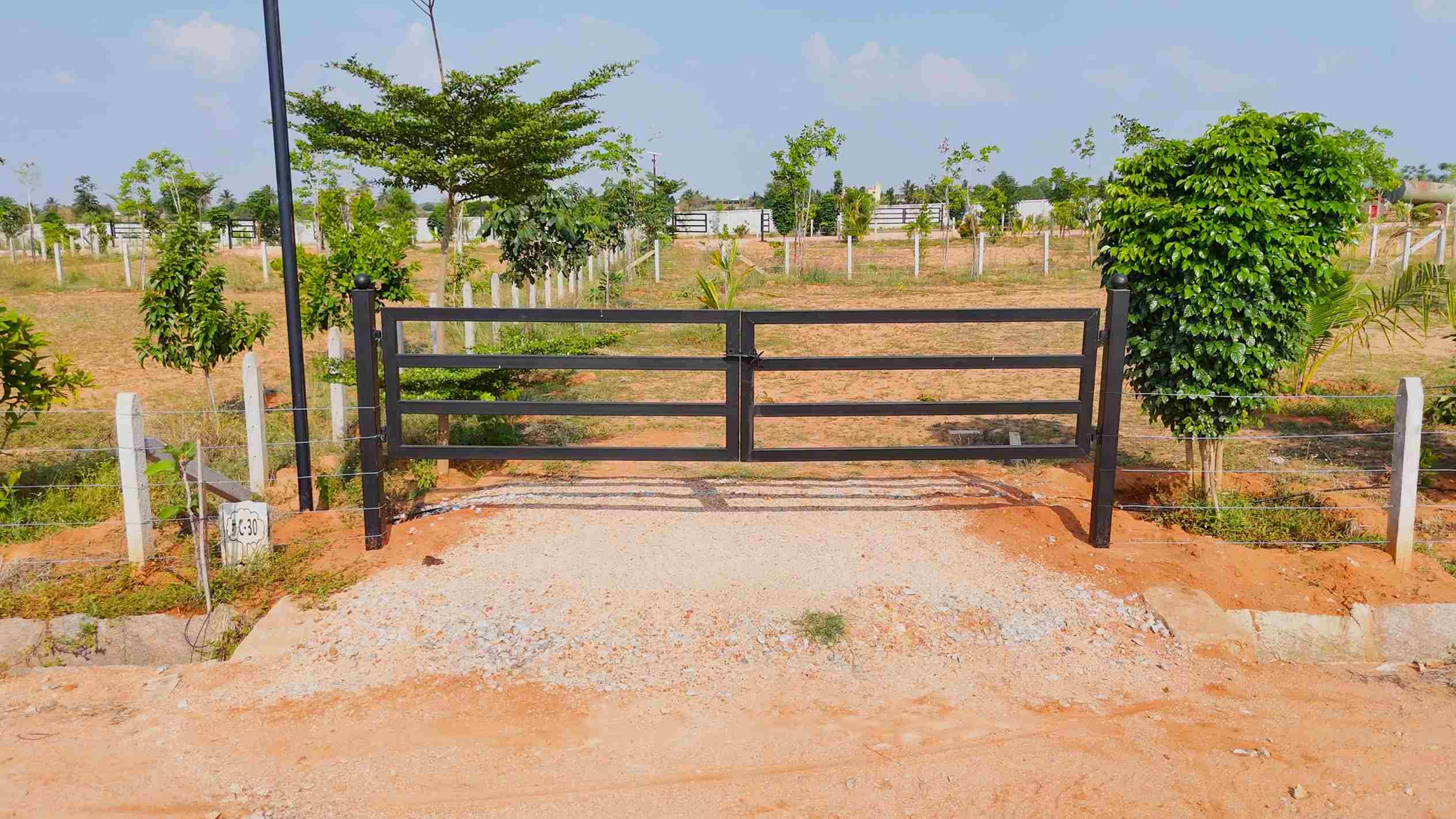
Research shows agroforestry and regenerative landscapes measurably improve local air quality by capturing airborne particles, reducing pollutants, and creating oxygen-rich microclimates. It's wellness infrastructure you can own.
Breath as Medicine—Location Matters as Much as Technique
Breathwork has surged in popularity—pranayama, Wim Hof protocols, somatic exercises—all teaching that breath control influences stress, clarity, and healing. People are rediscovering an ancient truth: how you breathe shapes how you feel, think, and recover. But there's a crucial piece often overlooked: where you breathe matters as much as how.
Picture this: You're resting under a mango tree on land you own. The air carries faint traces of soil, foliage, and recent rain. You close your eyes and inhale not recycled office air, but oxygen created moments earlier by the green world surrounding you. Your pulse steadies. Shoulders release. Mental chatter fades.
This is biophilia—the innate human pull toward nature and living systems. It's why savvy investors are shifting from pure real estate plays to ecosystem ownership. Clean, oxygen-rich air isn't abstract; it's a tangible wellness asset. And when you own the land producing it, you control access to that resource.
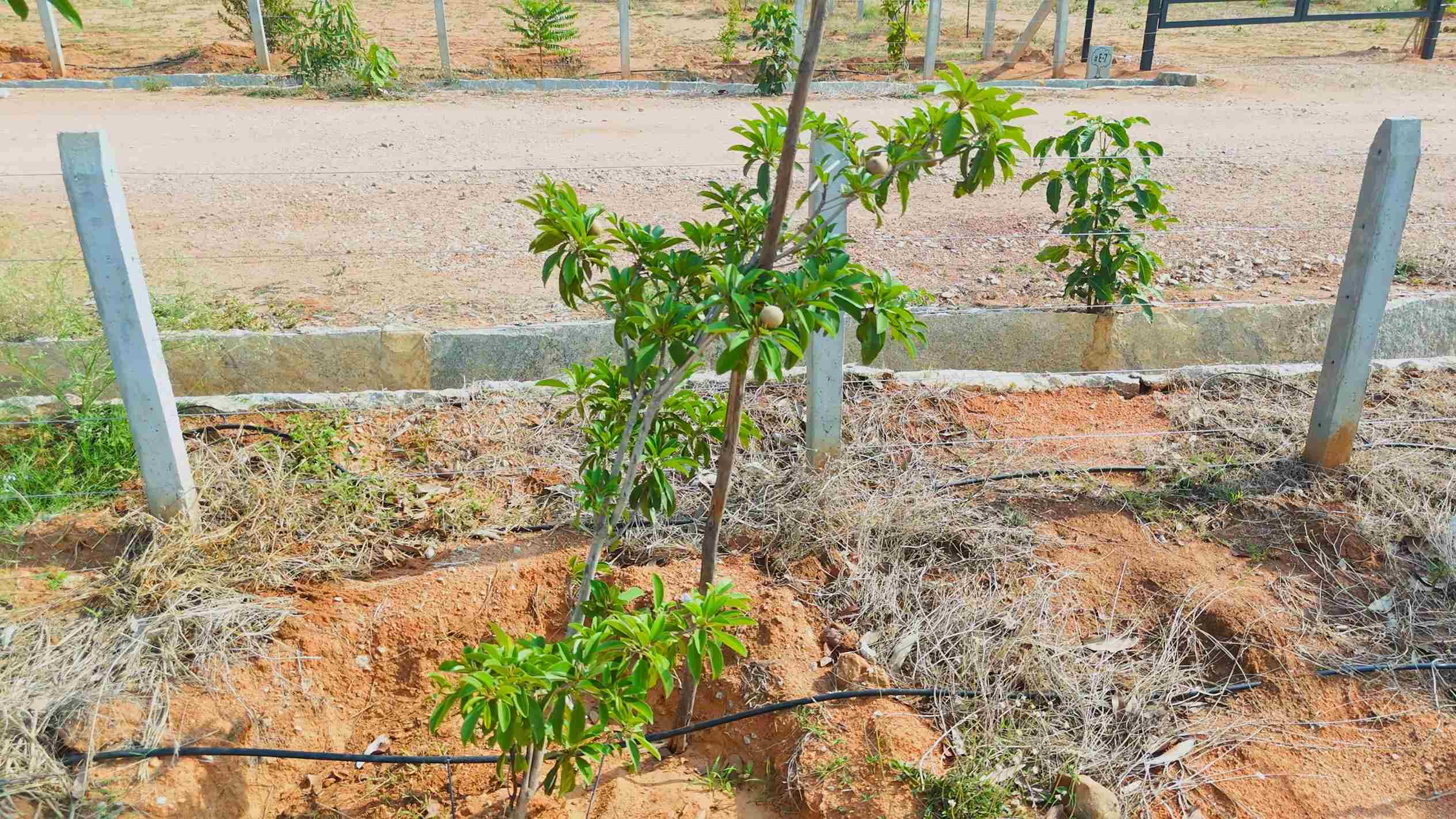
- Stress Hormone Drop: Nature immersion lowers cortisol levels within 15-20 minutes—measurable and reproducible.
- Heart Rate Coherence: Green spaces naturally improve heart rate variability, a key marker of autonomic health.
- Cognitive Restoration: Time in nature enhances focus, decision-making, and creative problem-solving—documented in attention restoration theory.
- Sleep Quality: Regular exposure to natural light, clean air, and reduced noise pollution improves circadian rhythm and sleep architecture.
The City Isn't Built for Breathing
Let's be direct. Urban air tastes of ambition mixed with exhaust. The pace prioritizes speed over stillness. We've engineered towers that touch clouds but lost touch with ground—where breath truly originates. Air purifiers and vertical gardens are admirable attempts, but they can't replicate a living, breathing landscape.
City dwellers often feel disconnected, overstimulated, exhausted. Many don't realize they're operating in low-grade physiological alert mode. Noise, pollution, artificial lighting—all keep the body in subtle fight-or-flight. It's depleting.
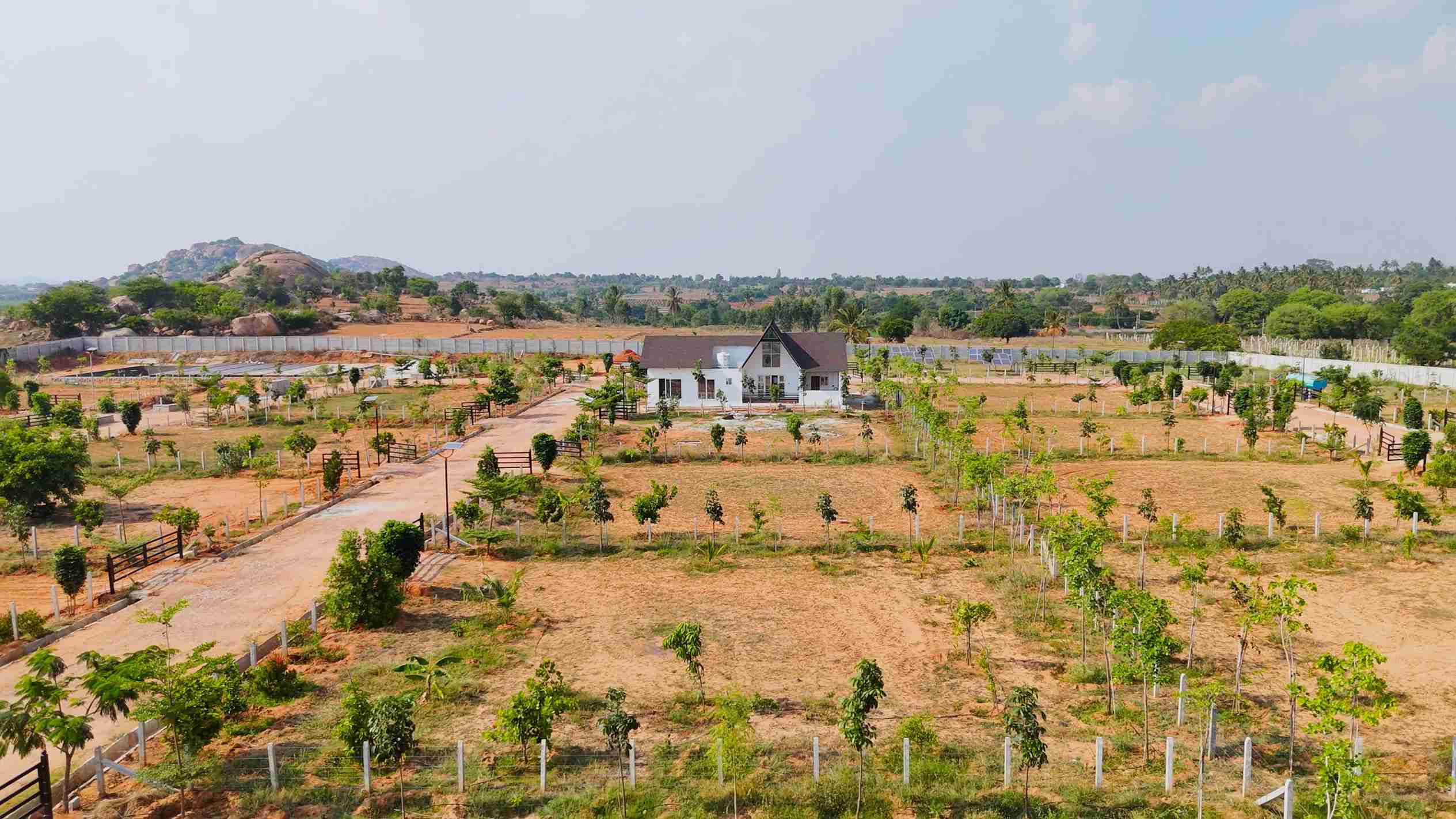
Contrast that with time spent in nature, even a brief walk through tree-covered trails. Cortisol falls. Heart rate normalizes. Cognitive function sharpens. Now imagine having that sanctuary not as a vacation, but as land you return to regularly. That's the promise of managed farmland communities designed with biodiversity, water features, pollinator gardens, and regenerative soil practices.
This isn't about abandoning the city. It's about creating breathing space—literally and figuratively—so you can engage with urban intensity without being consumed by it.
This Isn't Agri-Business. This Is Agri-Bliss.
One of the biggest myths around farmland ownership is that you must "know farming." But the farms we're describing aren't industrial operations or isolated plots demanding constant labor. They're intentionally designed landscapes that invite participation on your terms—walk, rest, plant, harvest, breathe. You engage as much or as little as suits your life.
- Visit on weekends and let children plant their first tree—creating memories rooted in real soil.
- Join seasonal gatherings for breathwork, birdwatching, or simply sitting beneath open sky.
- Show up when you need quiet recalibration—no agenda required, just presence.
- Meanwhile, the land continues its work—transforming sunlight into breath, carbon into life, quietly and faithfully.
All you must do is show up. The land handles the rest—air purification, carbon sequestration, ecosystem health—while you receive the wellness dividends: cleaner breath, calmer mind, deeper connection.
So, Can You Breathe Better Because of a Farm of Your Own?
Yes. But not just because of oxygen molecules. Because of what farmland ownership reawakens in you. When you steward land, even a modest parcel, you re-enter an ancient agreement—a contract of mutual care. The land provides cleaner air, deeper breath, quieter mind. You provide attention, protection, and respect.
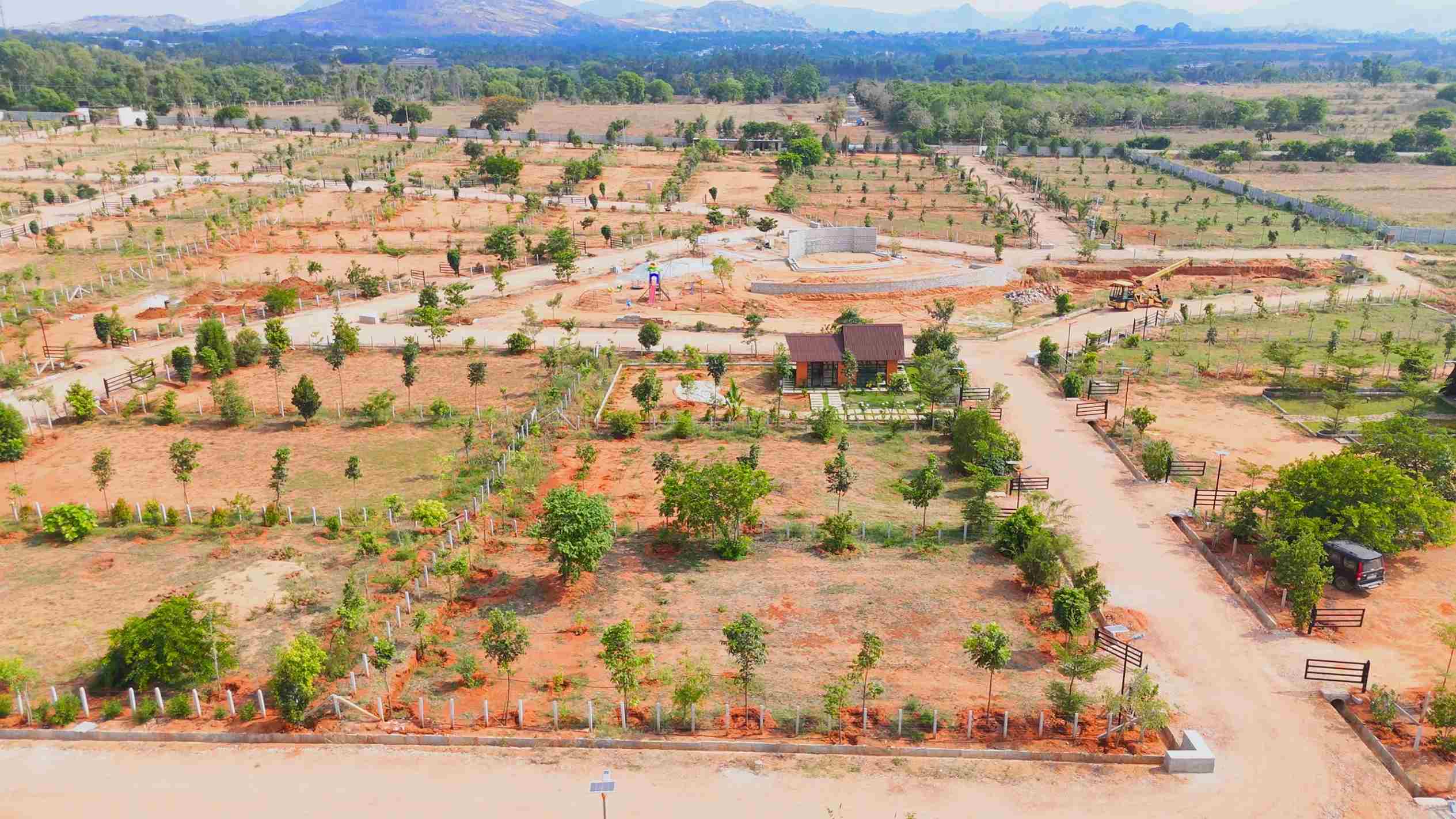
Oxygen is free. So is your belonging to the earth. What costs something—and what returns far more—is the decision to claim a piece of that earth, nurture it, and let it nurture you back. Near Bangalore's northern corridors, where airport access meets agricultural heritage, this isn't hypothetical. It's happening now, quietly, among professionals who recognize that wealth without wellness is just accumulation.
The Invitation
This isn't about becoming a farmer. It's about becoming someone who breathes easier, thinks clearer, and lives with one foot on real earth. It's about owning an ecosystem that works for your lungs while you work on everything else.
Ready to Reclaim Your Breath?
Visit managed farmland near Bangalore. Walk the soil. Breathe the difference. Decide on your timeline—no pressure, just clearer air and calmer options.