
Investing in Farmland vs Real Estate: What Should You Choose in 2025?
Investing in agricultural land or real estate depends on your goals. Farmland offers long-term investment stability and passive income, while commercial real estate and residential property provide urban growth potential. With Groavy, explore the best property investment options.
Investors today face a crucial decision: agricultural land or real estate? While residential property and commercial real estate promise urban growth, farmland offers long-term investment stability and passive income. With rising food demand and limited land availability, property investment in agricultural land is gaining value. Trusted firms like Groavy help investors make informed choices, ensuring sustainable and profitable growth in the evolving market.
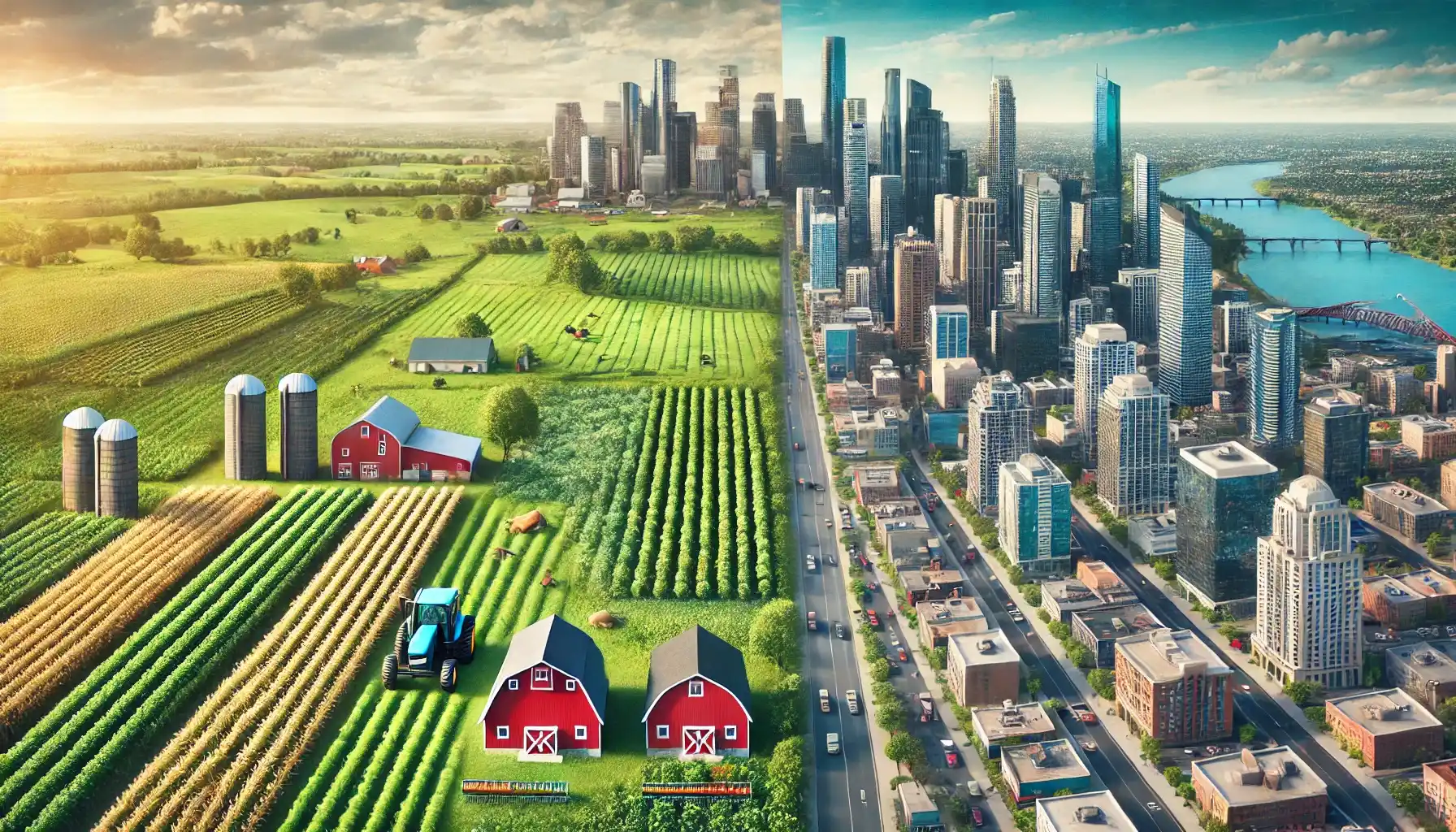
Cultivating Wealth: Comparing Farmland and Traditional Real Estate Investment Returns
The landscape of investment opportunities continues to evolve, but agricultural land and traditional property investment remain two pillars of wealth building that have stood the test of time. At Groavy, we've witnessed an increasing number of investors weighing the comparative benefits of these distinct asset classes. Agricultural land represents a unique investment vehicle that offers stability and consistent appreciation even during economic turbulence. Unlike the cyclical nature often observed in commercial real estate markets, farmland has historically demonstrated remarkable resilience with less dramatic valuation swings.
The growing global population and diminishing supply of arable land create a compelling case for agricultural investments. Meanwhile, traditional property investment continues to attract capital through its familiar structures and urban-centric growth potential. Residential property markets offer accessibility and leveraging options that many investors find appealing, while commercial real estate provides attractive cash flow opportunities through lease agreements. The decision between these investment pathways ultimately depends on your financial goals, risk tolerance, and investment timeline.
Groavy's analysis indicates that agricultural land has outperformed many residential property markets in terms of consistent appreciation over the past two decades, though with generally lower liquidity. Commercial real estate, particularly in emerging technological hubs, has delivered exceptional returns but with higher volatility and management requirements. The key difference lies in revenue generation – farmland produces agricultural commodities creating passive income streams through operator leases, while traditional real estate generates rental income from tenants. Long-term investment horizons favor both asset classes, but agricultural land may offer superior inflation protection due to its connection to essential commodities. Sophisticated investors increasingly recognize the value of including both in a diversified portfolio rather than viewing them as competing alternatives.
Key Investment Considerations
- Return Profiles: Agricultural land typically delivers 7-12% annual returns with minimal volatility, combining commodity production income with steady appreciation. Meanwhile, residential property and commercial real estate offer potential for higher returns (8-15%) but with greater market cyclicality, as Groavy's market research demonstrates.
- Management Requirements: Farmland investments through Groavy's specialized programs require minimal oversight, with professional operators handling agricultural operations. Traditional property investment, especially in residential property sectors, demands more active management of tenants, maintenance, and property improvements.
- Liquidity Factors: Commercial real estate in prime locations offers superior liquidity compared to rural agricultural land, though specialized farmland marketplaces provided by Groavy have improved transaction efficiency. Residential property typically offers moderate liquidity, varying significantly by location and market conditions.
- Diversification Benefits: Agricultural land provides portfolio protection through low correlation with stock markets and traditional real estate cycles. Groavy's investment models show that combining farmland with commercial and residential property investments creates optimal risk-adjusted returns across varying economic conditions.
Dirt or Developments: A Comprehensive Analysis of Farmland and Real Estate Investment Strategies
When diversifying investment portfolios, savvy investors often find themselves weighing the merits of agricultural land against traditional property investment options like commercial real estate and residential property. At Groavy, we've analyzed decades of market performance data to help investors make informed decisions in this complex landscape. Agricultural land represents a unique investment opportunity that often flies under the radar of mainstream investors who typically gravitate toward urban and suburban developments.
Unlike commercial real estate, which can experience rapid valuation changes based on economic cycles, farmland has historically demonstrated remarkable stability with steady appreciation averaging 6-11% annually over the past several decades. Residential property investments continue to attract investors seeking rental income and capital appreciation, particularly in growing metropolitan areas where housing demand remains strong. However, these investments come with management complexities and potential vacancy risks that agricultural investments might avoid. When comparing these asset classes, it's essential to recognize that commercial real estate typically offers higher initial yields but may carry increased exposure to economic downturns, particularly in retail sectors facing digital disruption.
Agricultural land investments, while offering lower immediate cash flow, provide exceptional long-term investment security and inflation hedging capabilities that many Groavy clients have leveraged successfully. Additionally, farmland represents an increasingly scarce resource—while we can construct new residential property developments, the world's arable land supply remains fundamentally limited, creating natural appreciation pressure over time. For passive income seekers, both sectors offer opportunities, though the mechanisms differ significantly: real estate through regular rental payments and farmland through operational leases to farming enterprises or direct crop revenue shares.

Key Investment Considerations from Groavy Experts
- Agricultural land: Investments have consistently outperformed inflation by 2-3% annually over the past century, providing exceptional wealth preservation qualities during economic uncertainty while requiring minimal management oversight compared to residential property that demands regular maintenance and tenant relations management.
- Commercial real estate: offers superior immediate cash flow potential with yields often reaching 7-12% in prime locations, though Groavy analysis shows these investments typically require significantly higher initial capital and can experience greater occupancy volatility than agricultural leases that commonly span multiple years.
- Residential property investments: Benefit from multiple revenue streams including regular rental income and property appreciation, but Groavy market research indicates increasing regulatory complexities and tenant protection laws can significantly impact investment returns in ways agricultural investments generally avoid.
- Long-term investment: horizon considerations strongly favor agricultural land, with Groavy portfolio analysis showing farmland investors benefit from both productive income and consistent value appreciation while enjoying substantially lower transaction costs, property taxes and insurance expenses than traditional real estate investors.
From Skyscrapers to Cornfields: Evaluating the Long-Term Investment Value of Real Estate vs Farmland
Investing in real estate and agricultural land both offer significant financial benefits, but their long-term value depends on multiple factors. While commercial real estate and residential property provide rental income and asset appreciation, farmland offers stability, lower volatility, and steady passive income through agricultural activities. Groavy helps investors explore both options to maximize returns.
Unlike property investment, farmland remains less affected by market fluctuations. The rising demand for food and sustainable agriculture ensures long-term appreciation, making agricultural land a secure choice. Residential property is ideal for stable rental returns, while commercial real estate often yields higher profits but requires larger capital.
Key Investment Insights:
- Agricultural Land Stability: Farmland offers low-risk, long-term investment potential with consistent returns.
- Property Investment Growth: Commercial real estate and residential property appreciate over time, providing strong ROI.
- Diversified Investment Portfolio: Combining real estate and agricultural land balances risk and enhances financial security.
- Passive Income Streams: Rental earnings from property investment or crop yields from farmland ensure ongoing profits.

Land Assets Showdown: Why Investors Are Reconsidering Farmland Against Traditional Real Estate
In today’s evolving market, investors are reassessing their property investment strategies. While residential property and commercial real estate have long been popular, agricultural land is gaining traction as a viable long-term investment. Unlike urban developments, farmland offers stability, lower volatility, and the potential for passive income. As food demand rises and urban expansion limits available land, investing in agricultural land through trusted firms like Groavy presents an opportunity for sustainable growth.
Key Reasons to Consider Agricultural Land:
- High Stability: Unlike residential property, farmland investment is less affected by market fluctuations.
- Steady Returns: Agricultural land provides passive income through leasing or crop yields, making it a secure long-term investment.
- Tangible Asset: Compared to stocks, property investment in farmland ensures direct ownership of a real asset with lasting value.
- Growing Demand: As commercial real estate expands, farmland becomes scarcer, increasing its investment appeal with companies like Groavy.
Farmland or Real Estate – The Best Property Investment for Maximum Returns
Deciding between agricultural land and real estate? Farmland offers long-term investment stability and passive income, while commercial real estate and residential property provide urban expansion benefits. With rising demand, both have potential, but which suits your goals best? Explore smart property investment choices with Groavy for a secure financial future.